New Delhi – Namo Bharat Regional Rapid Transit System (RRTS) Prime Minister Narendra Modi will visit Meerut, Uttar Pradesh, on Sunday, February 22, 2026, to inaugurate and dedicate a series of transformative infrastructure projects valued at approximately ₹12,930 crore. The visit focuses on revolutionizing public transport through the full commissioning of India’s first Namo Bharat Regional Rapid Transit System (RRTS) corridor connecting Delhi to Meerut, along with the launch of the Meerut Metro services. These initiatives mark a significant milestone in integrated urban and regional transit, setting a new benchmark for sustainable, high-speed, and efficient mobility in the National Capital Region (NCR) and beyond.
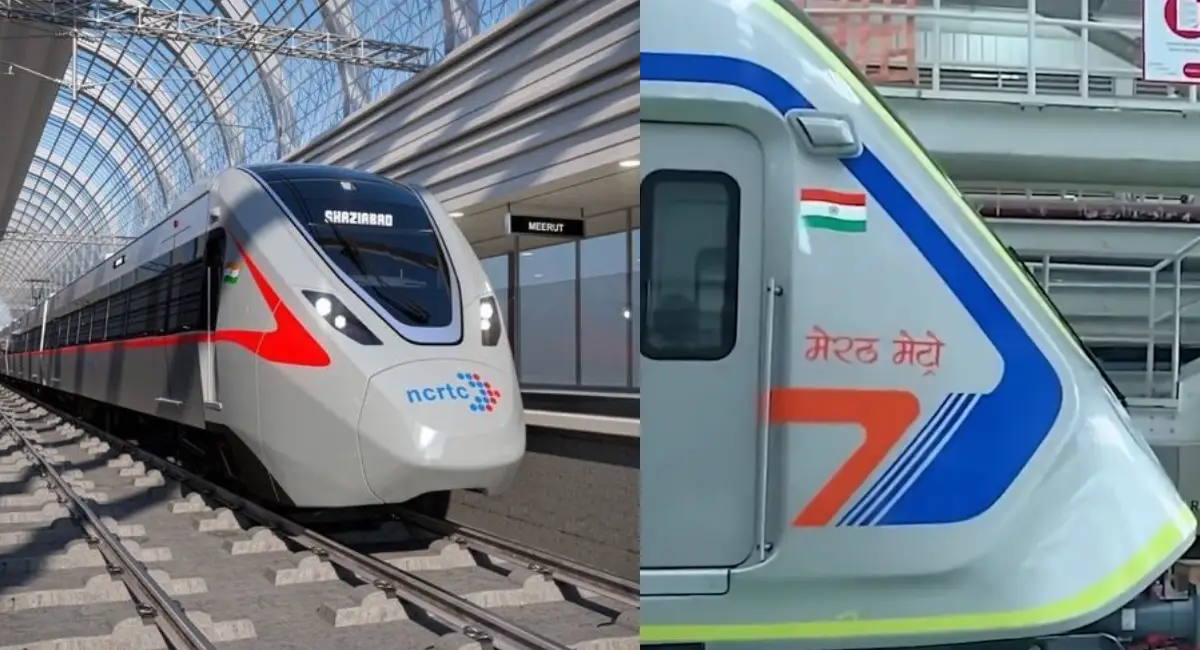
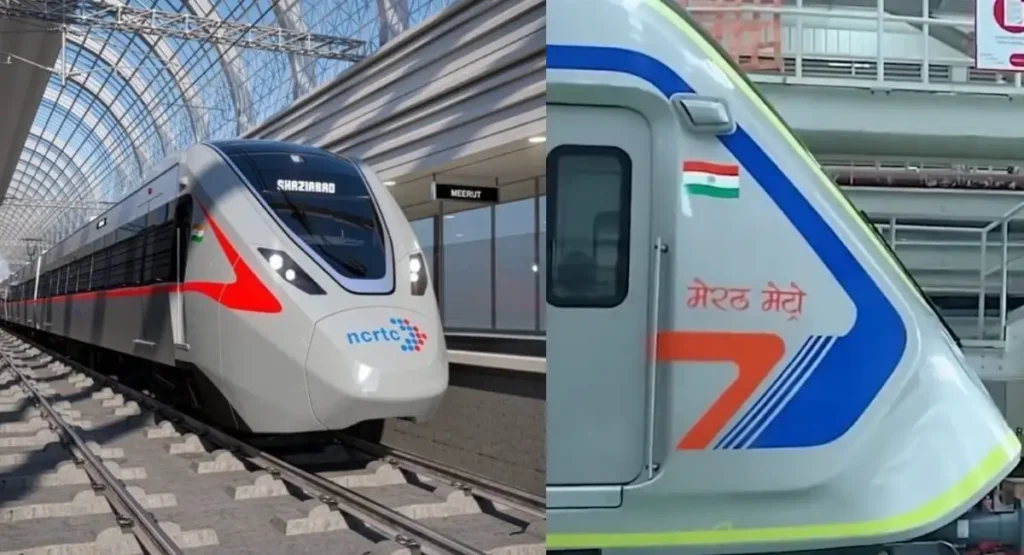
RRTS : The Delhi–Meerut Namo Bharat Corridor, spanning 82 km, will be fully dedicated to the nation during the event. This semi-high-speed rail system, with a design speed of 180 km/h and operational speeds up to 160 km/h, drastically reduces travel time between Delhi and Meerut to under 60 minutes, compared to the current 2-3 hours by road. The corridor features modern stations, elevated structures, and advanced signaling, connecting key hubs like Sarai Kale Khan (multi-modal integration with Hazrat Nizamuddin Railway Station, Delhi Metro Pink Line, ISBT, and Ring Road), New Ashok Nagar, Ghaziabad, Modinagar, and Meerut.
Flag-Off, Metro Ride, and Inauguration Ceremony
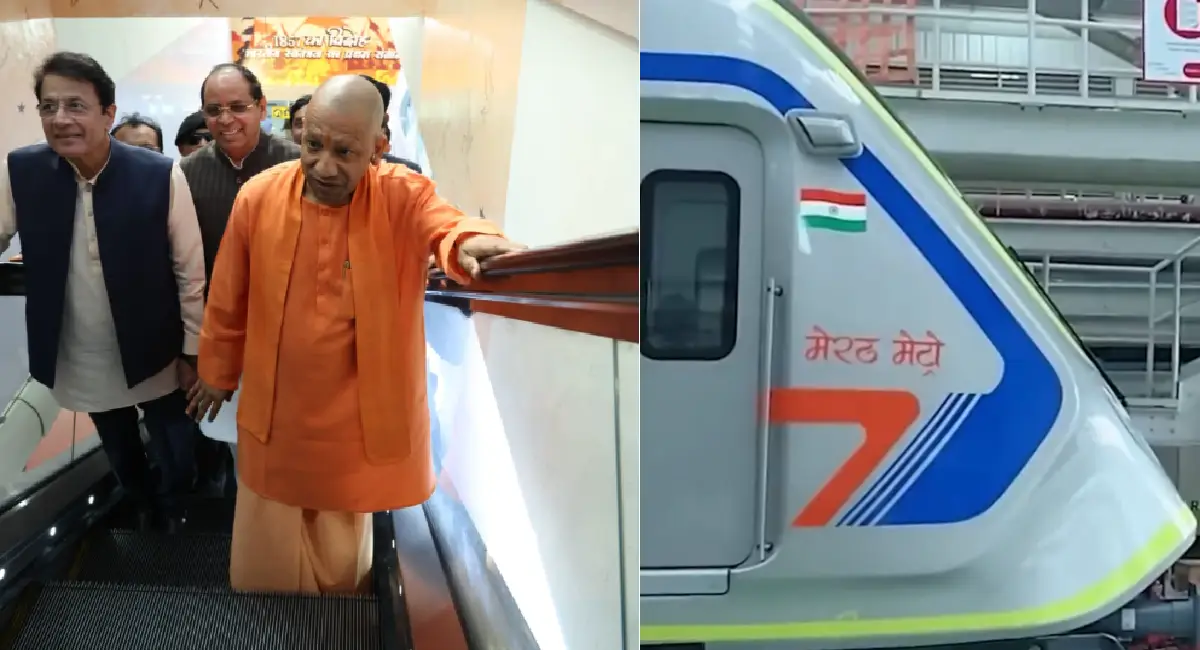
The Prime Minister’s program begins at around 12:30 PM at Shatabdi Nagar Namo Bharat Station in Meerut, where he will flag off the Meerut Metro and a Namo Bharat Train (RRTS). He will then undertake a symbolic metro ride from Shatabdi Nagar to Meerut South Station, experiencing the system’s speed and comfort firsthand. At approximately 1:00 PM, PM Modi will inaugurate and dedicate the projects to the nation, followed by an address to a public gathering.
Key inaugurations include:
- Remaining sections of the Namo Bharat RRTS corridor.
- 5 km Delhi section (Sarai Kale Khan to New Ashok Nagar).
- 21 km Uttar Pradesh section (Meerut South to Modipuram) with 12 stations.
- Commissioning of four major stations: Sarai Kale Khan, Shatabdi Nagar, Begumpul, and Modipuram.
- Launch of Meerut Metro operations on the same infrastructure as Namo Bharat, making it India’s fastest metro with a maximum operational speed of 120 km/h and covering 21 km in just 30 minutes (including stops).
This unique integration allows seamless intercity (RRTS) and intra-city (Metro) travel on shared tracks, a first-of-its-kind model in India.
Benefits for Citizens and Environment
The projects promise to decongest roads, reduce vehicular carbon dioxide emissions, and enhance ease of living for millions in Delhi-NCR and western Uttar Pradesh. Commuters will benefit from faster, reliable, air-conditioned services with integrated ticketing and modern amenities. The Namo Bharat system connects urban centers like Sahibabad, Ghaziabad, and Modinagar efficiently, while the Meerut Metro boosts local mobility.
These developments align with the government’s vision of Viksit Bharat (Developed India) by 2047, emphasizing sustainable infrastructure, reduced pollution, and improved connectivity. Traffic advisories have been issued in Ghaziabad and surrounding areas, with restrictions on heavy vehicles and certain routes from early morning until the event concludes to ensure smooth operations.
PM Modi’s address is expected to highlight how such initiatives empower citizens, create jobs, and drive economic growth in the region. The visit underscores the government’s commitment to modernizing public transport and making high-speed connectivity accessible.
As India accelerates its infrastructure push, this event in Meerut symbolizes a leap towards smarter, greener urban mobility.